
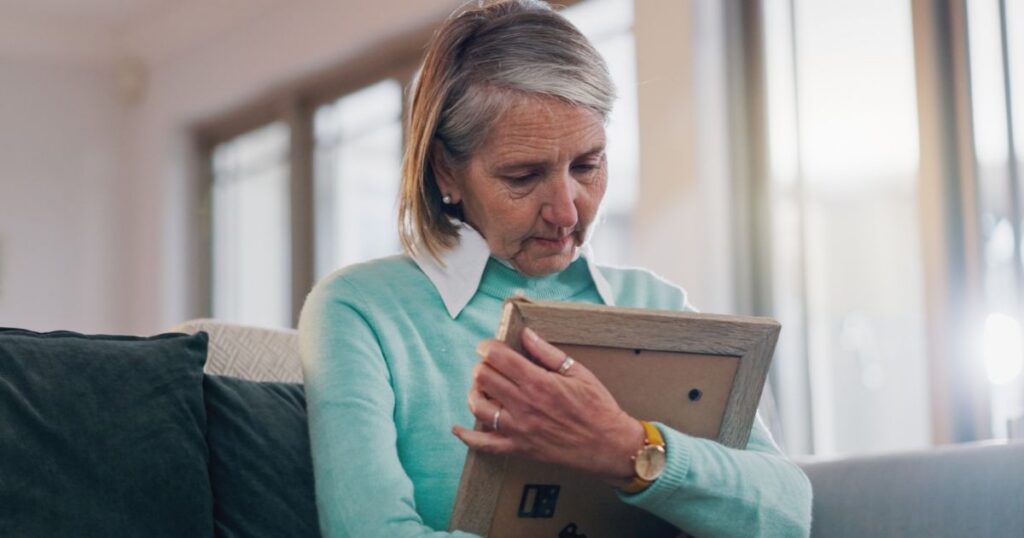
Losing a spouse changes the shape of your life.
During the first year after losing a spouse, grief may come in waves and show up when you least expect it. You may notice changes in your appetite, sleep, or motivation. Even typical routines and everyday decisions can suddenly require more effort.
There is no set timeline for adjusting to life after loss, and no right way to grieve. But small steps toward routine and connection can help make your days feel a bit more manageable. Senior living communities like Provision Living can offer opportunities to build new routines and connect with others. With support for everyday needs, residents can focus on the activities and relationships that bring comfort and meaning to their days. Over time, it is possible to honor the person you lost while adjusting to the shape of your life as it is now.
Key Takeaways: Rebuilding Daily Life After Loss
- After the loss of a spouse, maintaining daily habits and routines can bring more structure to your days when life feels uncertain.
- When coping with loss, don’t expect grief to follow a schedule. Allow yourself to experience difficult emotions without expectations.
- Time with loved ones and grief support groups can help ease loneliness and provide opportunities for connection and support.
- New hobbies and interests and small moments of happiness can become part of life, without replacing the person you lost.
- Communities like Provision Living can offer opportunities to build relationships, create new routines, participate in shared activities, and receive support with everyday needs.
Table of Contents
How Grief Can Affect Everyday Life
How Routine Can Help After Losing a Spouse
Finding Connection While Experiencing Grief
Navigating the First Year After Losing a Spouse
How to Help a Grieving Parent Who Lost a Spouse
Explore Your Assisted Living Options with Provision Living
How Grief Can Affect Everyday Life
Grief affects everyone differently. After losing a spouse, you may feel sadness, anger, guilt, relief, or loneliness— sometimes more than one of these emotions at once. You might also notice changes in your day-to-day energy and focus. You may need to adjust to practical changes, such as managing household responsibilities alone or deciding how to spend your free time, while also coping with the loss of someone who shared your history, understood your quirks, and was there with you through the ups and downs of life.
It’s important to remember that there is no fixed timeline for healing. You do not have to feel better by a particular date, and you don’t have to approach grieving in the same way as everyone else.
How Routine Can Help After Losing a Spouse
In the weeks after the death of a spouse, family members, friends, and neighbors may step in to provide meals, make phone calls, and help with funeral arrangements. But as that initial support becomes less frequent, the quiet of everyday life can feel especially difficult. A daily routine can provide some stability during this period, when every day feels uncertain. For example, you might:
- Open the curtains in the morning and spend a few minutes outside.
- Eat breakfast and lunch at regular times.
- Call a friend or family member in the afternoon.
- Take a short walk or listen to music before dinner.
- Watch a favorite movie in the evening.
For older adults who find daily tasks more difficult to manage alone, assisted living communities like Provision Living can also offer help with everyday needs, making it easier to maintain routines and take part in activities.
Finding Connection While Experiencing Grief
After losing a spouse, loneliness can be one of the hardest parts of adjusting to daily life. Spending time with other people will not take away the loss, but it can make grief feel less isolating. While some may find comfort in journaling, prayer, or writing letters to their late spouse, others prefer to talk about their feelings with family and friends. Grief support groups also offer a chance to connect with others who have experienced loss.
Senior living communities provide regular opportunities for shared meals, group activities, and everyday interactions with neighbors. At Provision Living, these opportunities can help residents build social connections and establish new routines at their own pace.
Navigating the First Year After Losing a Spouse
Reaching the first anniversary of a spouse’s death does not mean grief should be over.
That first year without them brings milestones that can make their absence feel especially painful. The first holiday without them, or the first birthday, or a wedding anniversary, can all bring back memories of how you spent those occasions together.
Planning ahead can make some occasions easier to manage emotionally and practically. Consider what you need to get through those milestones without assuming you need to celebrate in the same way you always have. For example, you might simplify your plans and skip aspects of your usual celebration, create a new tradition with friends or family, or arrange for support so you don’t have to spend the day alone if you don’t want to.
How to Help a Grieving Parent Who Lost a Spouse
Watching a parent grieve can be difficult, especially when you want to help them but are unsure what to say or do when a spouse dies. Often, though, the most helpful support is the simplest. Just being present and showing you’re there to listen can mean more to a loved one coping with loss than offering practical advice. Here are a few ways you can support a grieving parent:
- Stay in touch. Call regularly or plan visits so your parent has something to look forward to.
- Offer specific help. Pick up groceries, prepare dinner, help with household tasks, or attend appointments together.
- Listen without trying to fix everything. Let your parent share feelings and memories without pressure to move on or stay positive.
- Respect their choices. Encourage social connection while allowing your parent to decide when they want to spend time with others or need time alone.
- Watch for changes in daily needs. If your parent struggles with meals, household tasks, personal care, or social connection, they may benefit from additional support.
- Recognize when they may need professional support. Seek help if your parent persistently struggles to eat or sleep, withdraws from most social contact, has trouble managing their daily needs, or is experiencing overwhelming distress. If you’re concerned they may harm themselves, call or text 988 to reach the Suicide and Crisis Lifeline for support. If there is immediate danger, call 911.
Explore Your Assisted Living Options with Provision Living
For older adults adjusting to the loss of a spouse, a welcoming senior living community may help make daily life feel a little less overwhelming. Regular activities, shared meals, opportunities to connect with others, and assistance with everyday needs can all help residents begin to adjust to life after loss.
If you or a loved one is beginning to explore assisted living options after the death of a spouse, our community advisors are here to answer your questions and help you understand what community life may have to offer. You can also download our free Assisted Living Guide to learn what to consider when choosing a community.
When you are ready, we invite you to schedule a community visit at a Provision Living community. We look forward to meeting you and your family and introducing you to our supportive community.